The course provided me with a solid understanding of IT service desk operations and troubleshooting techniques. It has improved my ability to handle user issues with confidence and professionalism.



Formerly known as AI+ Government™ Transform Public Policy with Intelligent Solutions
AI for Governance: Understand how AI transforms public governance and policy frameworks
Data & ICT Focus: Dive into data management algorithms, ICT techniques, and AI strategies for government
Ethical Implementation: Gain expertise in responsible AI integration and policymaking
Outcome-Oriented: Design AI-driven solutions that promote transparency and operational efficiency
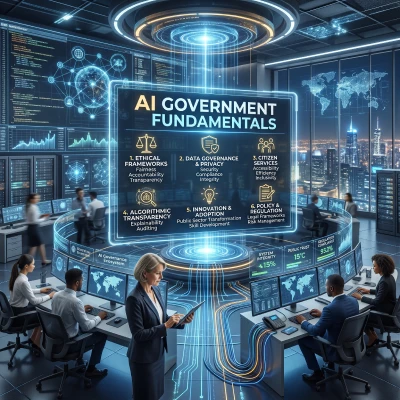
Demand for AI-Certified Government Professionals: Government organizations seek certified professionals who can drive innovation while ensuring transparency, security, and ethical standards.
Mitigating AI Risks in Public Sector: Misuse of AI in government can lead to policy errors and public trust issues. This certification helps professionals mitigate such risks.
Driving Strategic AI Implementation in Governance: Certified professionals play a key role in developing AI strategies that improve public services, governance, and operational efficiency.
Advancing Public Sector Careers: As AI adoption within government accelerates, this certification provides professionals with a competitive edge, advancing their careers in public sector innovation.
Government Officials & Policy Makers: Leverage AI for data-driven decision-making and efficient public services.
Data Scientists & Analysts: Utilize AI for analyzing government data and creating predictive models.
Public Sector IT Professionals: Implement AI solutions to modernize infrastructure and enhance operational efficiency.
Cybersecurity Experts: Apply AI to strengthen national security and protect government systems from emerging threats.
Students & New Graduates: Acquire essential AI skills for a promising career in the evolving field of AI-driven government initiatives.




What's Included (One-Year Subscription + All Updates):

To help you along your way, we can help you set up a customizable payment plan. Just book a call, we’ll provide you with the details!
Let's Arrange a Call9/10 of our learners achieve their learning objectives after successful completionProcess Advisors




The course employs a blend of modules, case studies, videos, quizzes, and hands-on exercises to ensure a comprehensive understanding and practical application of AI technologies in government.
The course aims to equip participants with the knowledge and skills to design AI-driven solutions for tasks ranging from data analysis to policy formulation in government settings. It also focuses on understanding ethical and regulatory considerations surrounding AI implementation in the public sector.
By completing the AI+ Government Fundamentals™ Certification, participants will gain proficiency in leveraging AI to promote efficiency, transparency, and innovation in governmental operations. This expertise is highly valued in roles involving policy development, public service optimization, and government modernization.
Graduates of the AI+ Government Fundamentals™ Certification can explore roles such as AI Strategy Consultant, Government Data Analyst, Policy Advisor for AI Initiatives, AI Project Manager in Government Agencies, and more. The certification equips professionals to drive innovation and efficiency in public sector operations.
AI adoption in government enhances operational efficiency by automating routine tasks, improves data-driven decision-making through advanced analytics, enhances citizen services with personalized interactions, and strengthens public safety and security measures with predictive capabilities.
Explore our hand-picked certifications trusted by industry leaders. Compare career paths, exam details, and salary insights to find the credential that matches your goals and accelerates your growth.