The course provided me with a solid understanding of IT service desk operations and troubleshooting techniques. It has improved my ability to handle user issues with confidence and professionalism.



Formerly known as AI+ Healthcare Administrator™ Transform Healthcare Management with Intelligent Administration
Operational Excellence: Learn how AI streamlines billing, scheduling, claims, and staff workflows to relieve administrative burden.
Resource Optimization: Master predictive analytics, demand forecasting, and data-driven decision-making for efficient hospital operations.
Compliance & Privacy: Understand regulatory frameworks, data security, and ethical standards essential for AI-powered administration.
Leadership Impact: Equip yourself to lead organizational change — from digital record-keeping to optimized patient flow and cost control.
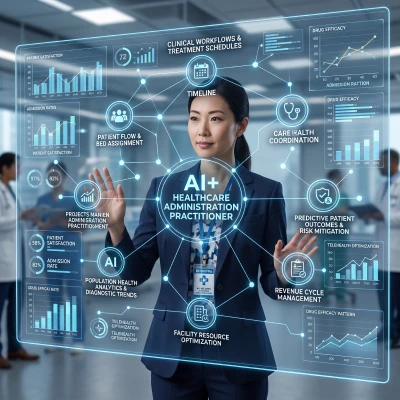
Operational Excellence with AI: Administrators gain the ability to streamline scheduling, billing, claims, and routine workflows through intelligent automation.
Data-Driven Administrative Leadership: Predictive analytics supports smarter decisions across staffing, patient flow, inventory, and overall resource utilization.
Enhanced Patient-Centric Administration: AI tools help reduce wait times, improve coordination, and support more personalized service delivery.
Stronger Compliance and Risk Oversight: AI-enabled monitoring ensures better adherence to regulations, data-privacy requirements, and audit standards.
A Future-Ready Administrative Skillset: Certification builds critical competencies for emerging AI-powered healthcare environments, strengthening long-term career growth.
Healthcare Administrators: Professionals seeking to modernize operations, enhance efficiency, and integrate AI into daily workflows.
Hospital and Clinic Managers: Leaders aiming to optimize staffing, resource allocation, and patient-flow management using AI tools.
Healthcare Operations Specialists: Individuals focused on improving scheduling, billing, compliance, and process automation through intelligent systems.
Health Information & EHR Professionals: Those managing digital records or health informatics who want to leverage AI for accuracy, analytics, and workflow improvement.
Aspiring Healthcare Leaders: Early-career professionals looking to build AI-driven administrative skills to stay competitive in evolving healthcare environments.





What's Included (One-Year Subscription + All Updates):

To help you along your way, we can help you set up a customizable payment plan. Just book a call, we’ll provide you with the details!
Let's Arrange a Call9/10 of our learners achieve their learning objectives after successful completionProcess Advisors


Yes, you’ll gain hands-on experience with AI tools for healthcare operations, resource management, and patient coordination, allowing you to apply these skills immediately in real-world healthcare settings.
This course integrates AI with healthcare workflows, focusing on predictive analytics, automation, and smart resource management to optimize hospital operations, reduce costs, and improve patient care.
You’ll work on projects such as AI-driven patient scheduling, healthcare resource optimization, compliance monitoring, and a healthcare administration capstone project.
The course combines theoretical knowledge with practical applications, case studies, and hands-on projects to help you apply AI tools to improve operational efficiency and patient outcomes in healthcare settings.
You’ll develop AI skills specific to healthcare administration, preparing you for roles in healthcare management, operations optimization, and AI-powered healthcare administration across hospitals, clinics, and healthcare facilities.
Explore our hand-picked certifications trusted by industry leaders. Compare career paths, exam details, and salary insights to find the credential that matches your goals and accelerates your growth.