The course provided me with a solid understanding of IT service desk operations and troubleshooting techniques. It has improved my ability to handle user issues with confidence and professionalism.



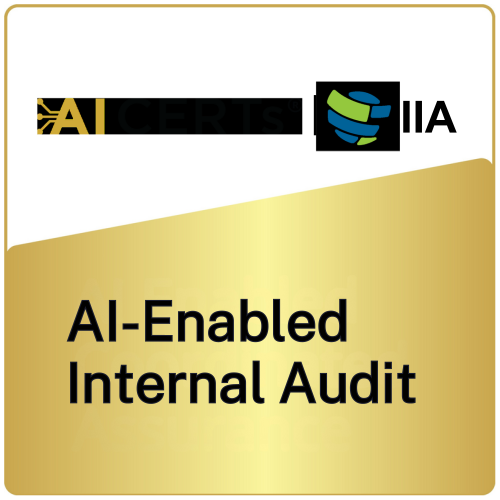
Applying Artificial Intelligence Across the Audit Lifecycle and Industry Landscape
Learn to use AI for smarter, faster, and more effective internal audits.
Applies AI Across the Full Audit Lifecycle Build practical capability to use AI across risk assessment, audit planning, continuous monitoring, fieldwork, evidence analysis, reporting, follow-up, and quality review.
Improves Audit Efficiency Without Compromising Quality Use practical AI workflows to improve audit efficiency and insight while preserving evidence quality, confidentiality, documentation discipline, and human accountability.
Strengthens Validation and Professional Skepticism Learn to validate AI-generated outputs, identify errors and hallucinations, assess data quality, and maintain traceable, reviewable audit evidence before relying on AI-assisted work.
Embeds Responsible AI and Governance Apply ISO/IEC 42001, the NIST AI Risk Management Framework, and the EU AI Act in an assurance context, alongside ethics, privacy, confidentiality, bias mitigation, and AI governance.
Builds Future-Ready Audit Leadership Develop the capability to coordinate AI-enabled assurance across the three lines in line with Standard 9.5, Coordination and Reliance, and communicate AI-driven insights to audit committees and boards.
Internal Auditors, Staff Auditors, Senior Auditors, and Audit Managers: Professionals seeking practical AI workflows for planning, fieldwork, evidence validation, documentation, and reporting.
Internal Audit Directors and Chief Audit Executives: Leaders responsible for AI-enabled methodology, governance, capability building, and board reporting.
QAIP and Audit Methodology Leaders: Professionals who review AI-assisted workpapers, documentation quality, and conformance.
Audit Committee Members and Oversight Leaders: Leaders who need sufficient AI literacy to challenge governance, understand AI-related risk, and interpret assurance results.
Risk, Compliance, Governance, and Assurance Professionals: Professionals who work with internal audit and need a shared language for AI-enabled assurance.
What's Included (One-Year Subscription + All Updates):

Not sure which certifications to go for? Take our quick assessment to discover the perfect role-based certifications and programs tailored just for you.
Browse All Certification9/10 of our learners achieve their learning objectives after successful completionProcess Advisors


Explore our hand-picked certifications trusted by industry leaders. Compare career paths, exam details, and salary insights to find the credential that matches your goals and accelerates your growth.