The course provided me with a solid understanding of IT service desk operations and troubleshooting techniques. It has improved my ability to handle user issues with confidence and professionalism.



Formerly known as AI+ Gaming™ Discover how AI transforms game design, player engagement, and virtual environments. Build real-world gaming projects using cutting-edge AI technologies.
Comprehensive Skill Development Master AI-driven game design, adaptive storytelling, and intelligent NPC development to create immersive, data-enhanced gaming experiences.
Industry Recognition Earn a globally recognized certification that validates your expertise in integrating artificial intelligence within modern gaming environments.
Hands-On Learning Work on real-world gaming projects, from AI-based character behavior modeling to predictive player analytics, enhancing creativity and technical precision.
Career Advancement Unlock career opportunities in game development, AI simulation design, virtual production, and interactive entertainment industries.
Future-Ready Expertise Stay at the forefront of gaming innovation with cutting-edge knowledge in generative AI, immersive simulations, and intelligent gameplay systems.
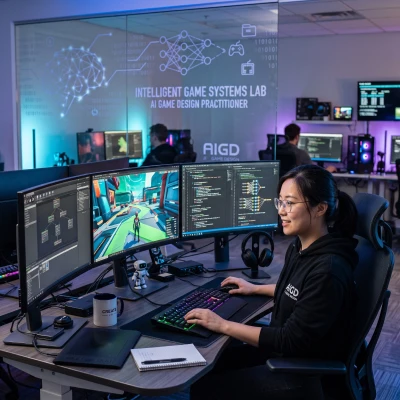
Industry-Relevant Curriculum Gain expertise in AI-driven game design, player behavior modeling, and adaptive gameplay mechanics.
Hands-On Learning Work on real gaming projects integrating AI for character behavior, world generation, and personalization.
Career Advancement Boost your profile for roles in game development, AI engineering, and interactive entertainment design.
Cutting-Edge Tools Learn to use leading AI frameworks and gaming engines to develop immersive, intelligent experiences.
Global Recognition Earn a certification that validates your AI and gaming skills with credibility across the tech and gaming industries.
Aspiring Game Developers – Ideal for those looking to integrate AI into game design and development.
AI Enthusiasts – Perfect for learners eager to explore how AI shapes gaming experiences and player interactions.
Game Designers – Suited for creatives aiming to use AI for storytelling, dynamic worlds, and adaptive gameplay.
Software Engineers – Great for professionals seeking to apply programming and AI techniques within the gaming industry.
Students & Researchers – Beneficial for those pursuing studies or research in AI, machine learning, or interactive entertainment.











What's Included (One-Year Subscription + All Updates):

To help you along your way, we can help you set up a customizable payment plan. Just book a call, we’ll provide you with the details!
Let's Arrange a Call9/10 of our learners achieve their learning objectives after successful completionProcess Advisors


Yes, you'll gain hands-on experience with AI tools for gameplay design, procedural content generation, and player behavior analysis that can be immediately applied in the gaming industry.
This course uniquely combines AI with game development, focusing on adaptive gameplay, intelligent NPCs, and data-driven player engagement to create next-generation gaming experiences.
You'll work on projects like AI-powered character behavior, procedural level design, predictive player analytics, and a capstone project focused on developing an AI-driven game prototype.
The course blends foundational theory with interactive labs, real-world projects, and case studies to help you effectively apply AI in game design and development.
You'll develop specialized AI and game development skills that prepare you for roles such as AI Game Developer, Game Data Scientist, or AI Systems Designer in leading gaming studios.
Explore our hand-picked certifications trusted by industry leaders. Compare career paths, exam details, and salary insights to find the credential that matches your goals and accelerates your growth.