Key Takeaways
- MFA is Mandatory: In 2026, MFA is a non-negotiable requirement for UK Cyber Essentials compliance and insurance.
- Beyond Passwords: Static passwords are the primary attack vector; MFA blocks 99.9% of automated identity-based cyber threats.
- Prioritise Phishing-Resistance: Transition from vulnerable SMS codes to robust FIDO2 hardware keys or biometric authentication methods.
- Leverage Conditional Access: Use Microsoft Entra ID to trigger MFA based on risk signals, balancing security with productivity.
- Secure Hybrid Environments: Ensure MFA protects every access point, from legacy on-premise servers to modern cloud management panels.
- Avoid Insurance Rejection: Documented MFA enforcement is essential to ensure cyber insurance claims are paid in full.
The cyber threats targeting businesses are no longer opportunistic; they are engineered, persistent, and increasingly automated. The most alarming part? Majority of the breaches still begin with compromised credentials.
Microsoft confirms that over 99.9% of account compromise attacks can be blocked using Multi-Factor Authentication (MFA). Meanwhile, the National Cyber Security Centre (NCSC) consistently highlights weak authentication as one of the most common vulnerabilities in British businesses.
MFA is no longer a “recommended upgrade.” It is a baseline requirement for secure digital operations, especially for organisations relying on cloud infrastructure, remote workforces, and Microsoft 365 environments!
What Is Multi-Factor Authentication (MFA)?
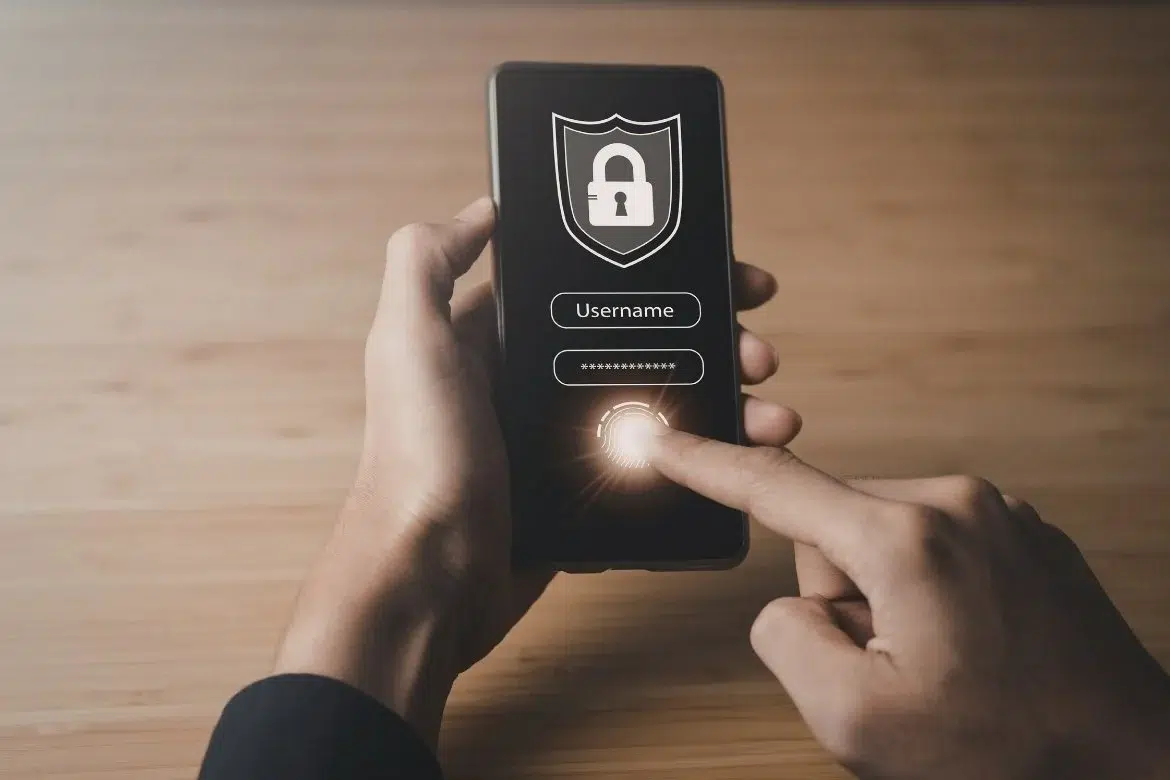
Multi-Factor Authentication (MFA) is a security framework that requires users to verify their identity using two or more independent authentication factors before accessing systems, applications, or data.
These factors typically fall into three categories:
- Something You Know – Passwords, PINs
- Something You Have – Mobile Device, Security Token
- Something You Are – Biometric Data (Fingerprint, Facial Recognition)
Unlike traditional password-only systems, MFA introduces layered verification, making it significantly harder for attackers to gain access, even if credentials are compromised.
Do You Know? Over 80% of breaches covered by MFA involve stolen or weak credentials, according to research by the Data Breach Investigations Report.
Why Passwords Fail?
The fundamental weakness of a password lies in its static nature. In the United Kingdom, the National Cyber Security Centre (NCSC) has long warned that “credential stuffing” and “brute force” attacks are automated at scale.
The Cost of a Data Breach Report highlights that the average cost of a data breach in the UK has reached £3.29 million. When phishing is the primary vector, as it is in 16% of all UK breaches, the cost per incident climbs even higher, to an average of £3.85 million.
Despite these risks, a “resilience gap” exists! Many SMEs believe they are protected because they have a password policy in place. However, Microsoft shares that 99.9% of compromised accounts across their ecosystem did not have MFA enabled. By adding a second layer of verification, you aren’t just making it “harder” for an attacker; you are removing the primary incentive for the attack.
MFA and the New “Danzell” Cyber Essentials Standard (2026)
For organisations, the Cyber Essentials scheme is the gold standard for foundational security. The NCSC and IASME introduced Version 3.3 (Danzell) on April 27, 2026, marking the end of “optional” MFA.
The key regulatory shifts in 2026 include:
- Mandatory Cloud MFA: If a cloud service offers MFA, even if it requires a higher-tier license, it must be enabled. The cost is no longer an acceptable excuse for non-compliance.
- No Exceptions for Admin Accounts: All administrative accounts, whether on-premise or cloud-based, must be protected by MFA if they are accessible from outside the network.
- Social Media is in Scope: For the first time, corporate social media accounts (like LinkedIn or X) used for business purposes must be declared and secured with MFA.
- Zero Wiggle Room: Under previous versions, businesses could sometimes argue that MFA was not “feasible.” From 2026, failing to enable available MFA results in an automatic fail for certification.
For businesses aiming for IT Compliance and Governance, staying ahead of these updates is about maintaining the trust of partners and clients who increasingly demand Cyber Essentials Plus as a prerequisite for contracts!
MFA in the Microsoft 365 Ecosystem
Microsoft 365 is the most targeted SaaS platform in the UK due to its ubiquity. Effective MS 365 Management & Licensing is now synonymous with identity security.
While Microsoft provides “Security Defaults,” these are often too rigid for growing businesses. Numerous advanced organisations are moving toward Microsoft Entra ID (formerly Azure AD) features that support Conditional Access Policies.
Instead of prompting a user for MFA every single time they open Outlook, which leads to “MFA Fatigue.” The Conditional Access uses signals to make intelligent decisions:
- User Location: Is the login coming from a known UK office IP or a suspicious foreign jurisdiction?
- Device Health: Is the laptop running the latest security patches?
- Risk Level: Has the user’s password been found in a known leak on the dark web?
By leveraging these signals, you create a frictionless experience for employees while maintaining a “Zero Trust” posture.
The Evolution of Authentication: From SMS to Phishing-Resistant MFA
Not all MFA methods offer the same level of protection. NCSC has noted a rise in “MFA Bypass” attacks, in which attackers use social engineering to trick users into approving push notifications or SIM-swapping to intercept SMS codes.
The authentication hierarchy follows as:
| Method | Security Level | Risk Factor |
|---|---|---|
| SMS/Voice Call | Low | Vulnerable to SIM Swapping and Interception |
| Mobile Push Notification | Medium | Vulnerable to “MFA Fatigue” |
| Authenticator Apps (TOTP) | High | Generates a Time-Sensitive 6-Digit Code |
| FIDO2/Security Keys | Ultra-High | Phishing-Resistant; Requires Physical Hardware |
| Biometrics (Passkeys) | Ultra-High | Uses Windows Hello or FaceID; used for the Specific Device |
The 2026 Cyber Essentials (Danzell) update explicitly encourages the use of Passwordless Authentication (FIDO2 and Passkeys). By removing the password entirely, you eliminate the risk of credential theft.
Cloud Management and the Shared Responsibility Model
The common misconception among UK business owners is that “the cloud is the provider’s responsibility.” In reality, cloud management operates on a shared responsibility model.
While AWS, Azure, or Google Cloud secure the underlying infrastructure, you are responsible for securing the identities that access it. The Heimdal Security 2026 report indicates that cloud misconfigurations and identity weaknesses remain top-tier threats. Implementing MFA across your cloud management panels is the single most effective way to prevent a configuration error from becoming a catastrophic data breach.
The ROI of MFA: Cyber Insurance and Financial Recovery
In 2026, cyber insurance is no longer a “tick-box” exercise. UK insurers have become highly granular in their underwriting. According to industry analysis, insurers now require documented evidence of MFA enforcement before offering coverage.
“Saying ‘MFA is enabled’ when it is actually optional for users is considered misrepresentation. In the event of a breach, if a single compromised account is found to have lacked enforced MFA, the claim may be denied entirely.” — Cyber Insurance Trends Report 2026.
Furthermore, the financial impact extends beyond the breach itself. The report states that 47% of UK companies found it harder to attract new customers following an attack, and 43% lost existing customers.
Overcoming Implementation Hurdles
Transitioning to a strict MFA environment can meet internal resistance. To ensure a high-converting security strategy, businesses must address three pillars:
1. User Experience (UX)
Security that is too difficult to use will be bypassed. Using Single Sign-On (SSO) integrated with MFA allows employees to authenticate once and access all their authorised apps (Cloud, MS 365, etc.) without multiple prompts.
2. Legacy Systems
Older on-premise servers or bespoke software often don’t support modern MFA. This is where a Managed Service Provider (MSP) becomes invaluable. MSP can implement “MFA Proxies” or VPN gateways that add a modern security layer to legacy infrastructure.
3. Admin Hygiene
The 2026 standards require that administrative tasks are performed through separate accounts. You should never use your “Global Admin” account to read daily emails. By isolating high-privilege accounts and securing them with the strongest form of MFA (hardware keys), you protect the “keys to the kingdom.”
Explore our Managed IT Services to see how we build a comprehensive shield around your business operations!
How Fortray Secures the UK Digital Frontier?
Implementing MFA is not a one-time project; it is a continuous process of identity governance. Fortray understands that security must be balanced with productivity.
We assist organisations by:
- Auditing Identity Debt: Finding forgotten accounts and service principals that lack MFA.
- Licensing Optimisation: Ensuring you have the right Microsoft 365 Licensing to enable advanced security features without overspending.
- Compliance Readiness: Preparing your business for Cyber Essentials Plus 2026 through rigorous gap analysis and technical implementation.
Short Code:
Conclusion: MFA is Your Competitive Advantage
In the current climate, security is a differentiator. UK businesses that can prove a robust security posture — anchored by Multi-Factor Authentication — are more likely to win government contracts, secure better insurance premiums, and maintain the trust of their customer base.
The “password-only” era ended years ago; the “optional MFA” era ends in 2026. Whether through biometrics, hardware tokens, or conditional access, the time to harden your identity perimeter is now.
Is Your Business MFA Ready? Contact Fortray Today for a quick security audit. Let’s identify your vulnerabilities before an attacker does and build a resilient foundation for your digital future.
Frequently Asked Questions (FAQs)
Yes. The Cyber Essentials “Danzell” update (27th April, 2026) mandates MFA for all cloud services and administrative accounts to achieve certification.
SMS is vulnerable to SIM-swapping and interception. The NCSC recommends migrating to authenticator apps or phishing-resistant hardware keys for more robust protection.
The majority of insurers now require documented MFA enforcement as a prerequisite. Implementing it reduces breach risks, often resulting in lower premiums and guaranteed coverage.
It uses FIDO2 or biometrics to cryptographically link your identity to your device, preventing hackers from intercepting codes through fake login websites.
Fortray, a leading London MSP, provides comprehensive audits and deployment services to ensure your infrastructure meets the latest 2026 UK security standards.