Skip to main contentSkip to footer
Skip to content
Skip to main contentSkip to footer
Skip to content 

Key Takeaways
- MFA is Mandatory: In 2026, MFA is a non-negotiable requirement for UK Cyber Essentials compliance and insurance.
- Beyond Passwords: Static passwords are the primary attack vector; MFA blocks 99.9% of automated identity-based cyber threats.
- Prioritise Phishing-Resistance: Transition from vulnerable SMS codes to robust FIDO2 hardware keys or biometric authentication methods.
- Leverage Conditional Access: Use Microsoft Entra ID to trigger MFA based on risk signals, balancing security with productivity.
- Secure Hybrid Environments: Ensure MFA protects every access point, from legacy on-premise servers to modern cloud management panels.
- Avoid Insurance Rejection: Documented MFA enforcement is essential to ensure cyber insurance claims are paid in full.
The cyber threats targeting businesses are no longer opportunistic; they are engineered, persistent, and increasingly automated. The most alarming part? Majority of the breaches still begin with compromised credentials.
Microsoft confirms that over 99.9% of account compromise attacks can be blocked using Multi-Factor Authentication (MFA). Meanwhile, the National Cyber Security Centre (NCSC) consistently highlights weak authentication as one of the most common vulnerabilities in British businesses.
MFA is no longer a “recommended upgrade.” It is a baseline requirement for secure digital operations, especially for organisations relying on cloud infrastructure, remote workforces, and Microsoft 365 environments!
What Is Multi-Factor Authentication (MFA)?
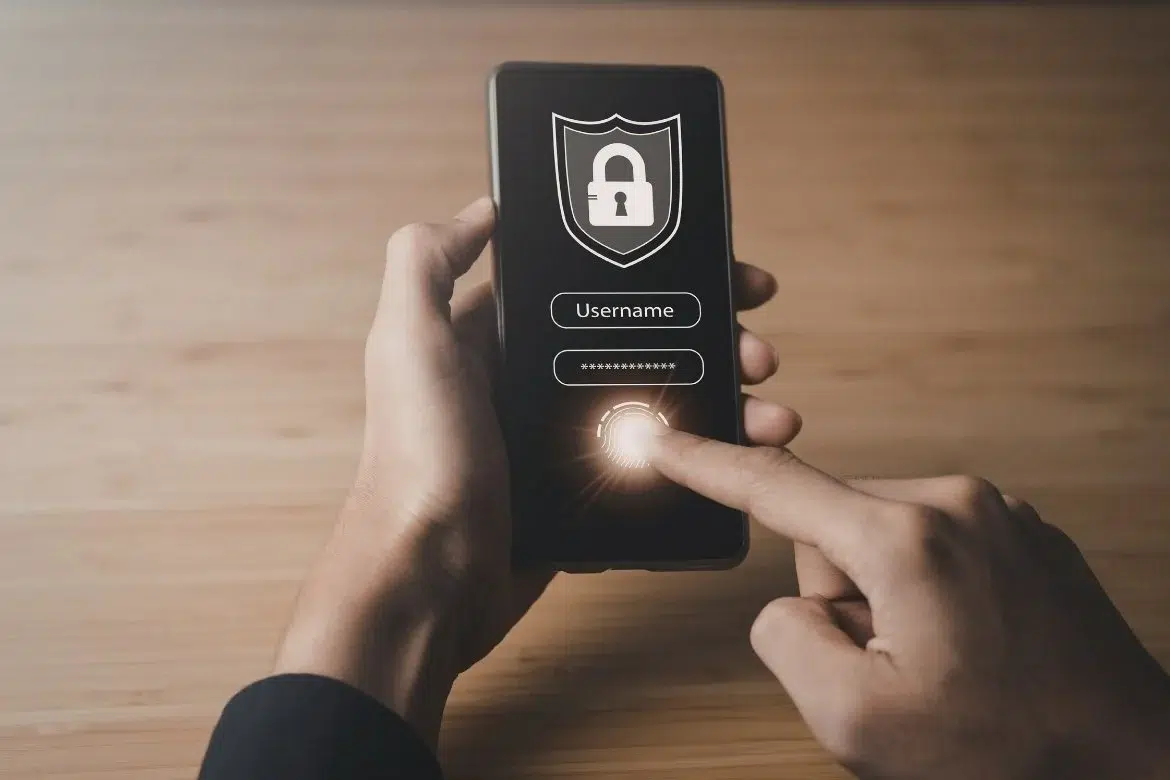
Multi-Factor Authentication (MFA) is a security framework that requires users to verify their identity using two or more independent authentication factors before accessing systems, applications, or data.
These factors typically fall into three categories:
- Something You Know – Passwords, PINs
- Something You Have – Mobile Device, Security Token
- Something You Are – Biometric Data (Fingerprint, Facial Recognition)