Skip to main contentSkip to footer
Skip to content
Skip to main contentSkip to footer
Skip to content 

Key Takeaways
- Soft Skills Shift: In modern tech hiring, soft skills increasingly determine long-term performance, collaboration, and leadership potential beyond technical ability.
- Hard Skills aren’t Enough Now: Employers relying solely on hard skills risk poor team alignment, communication breakdowns, and higher attrition rates.
- AI and Automation Impact: As automation advances, uniquely human soft skills become critical differentiators within technical and digital roles.
- Hybrid Work Reality: Remote and hybrid teams require strong communication, adaptability, and emotional intelligence to maintain productivity and trust.
- Fortray Smart Recruitment prioritises soft skills assessment alongside hard skills to ensure culturally aligned, future-ready tech hires.
Introduction
For years, tech hiring has revolved around the core hard skills! Programming languages, cloud certifications, frameworks, and tools have dominated job descriptions and interview processes. But despite record investment in digital talent, many organisations still struggle with poor collaboration, failed projects, and high attrition.
The problem isn’t a lack of technical ability… It’s the absence of human capability! 74% of tech firms in the United Kingdom now value soft skills such as communication, collaboration, and problem-solving just as much as (or more than).
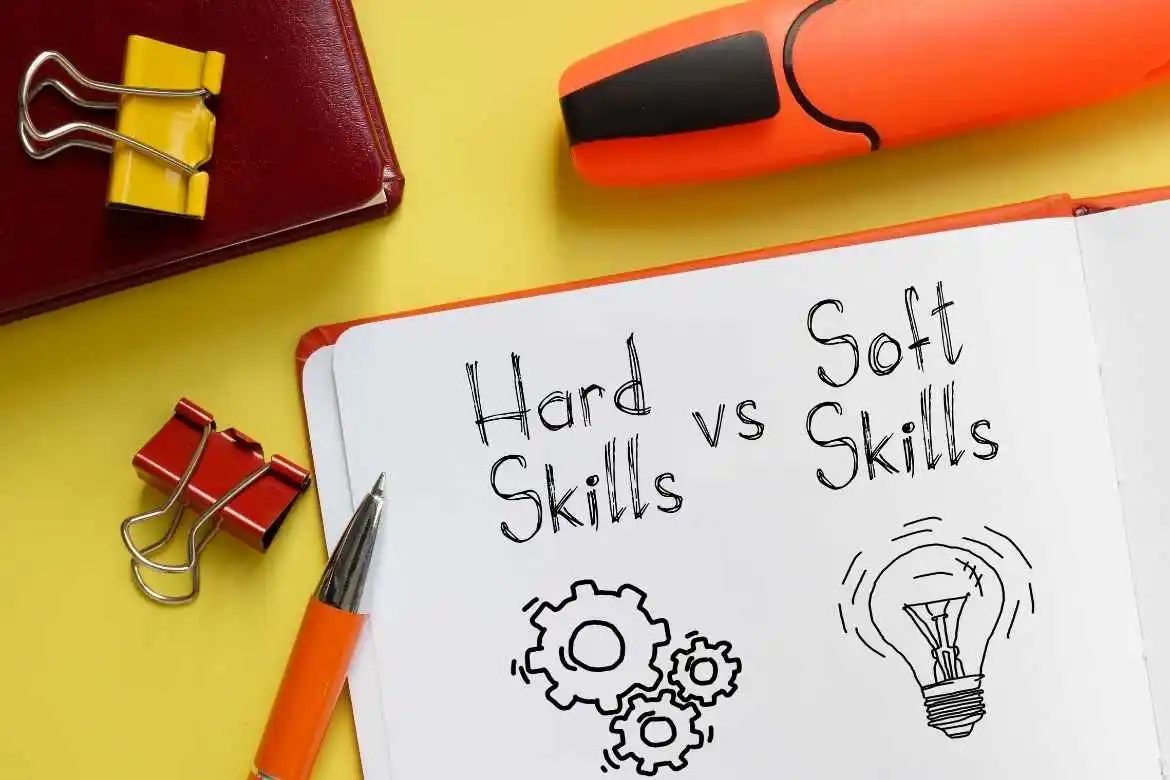
In a world of agile teams, hybrid work, and AI-assisted development, technical competence without communication, adaptability, and emotional intelligence is no longer enough. In this blog, we’re exploring the ‘missing link‘ in tech hiring and why soft skills are quickly becoming the new hard skills.
Why Hard Skills No Longer Guarantee Success?
Hard skills remain essential, and no organisation can compromise on technical competence. However, technology itself has changed how work gets done!
Modern tech roles operate in cross-functional environments. Engineers collaborate with product managers, designers, compliance teams, and clients. AI tools now accelerate coding, testing, and deployment, reducing the technical gap between candidates. But there’s something else… AI cannot replace judgment, collaboration, leadership, and decision-making.